
Case Study
Supported Decision Making in Nevada
Brand Identity & Website Development
Empowering Independence Through Accessible Design.
Everyone deserves the opportunity to make decisions about their own life. For people with disabilities, having access to trusted guidance and support can make those decisions easier without sacrificing personal independence.
In 2019, Nevada enacted its Supported Decision-Making Act, establishing a legal framework that allows adults with disabilities to receive assistance from trusted individuals while retaining authority over their own choices.
The Self-Determination Law Project, a nonprofit organization dedicated to community education and outreach, recognized the importance of helping Nevadans understand this legislation and the resources available to them.
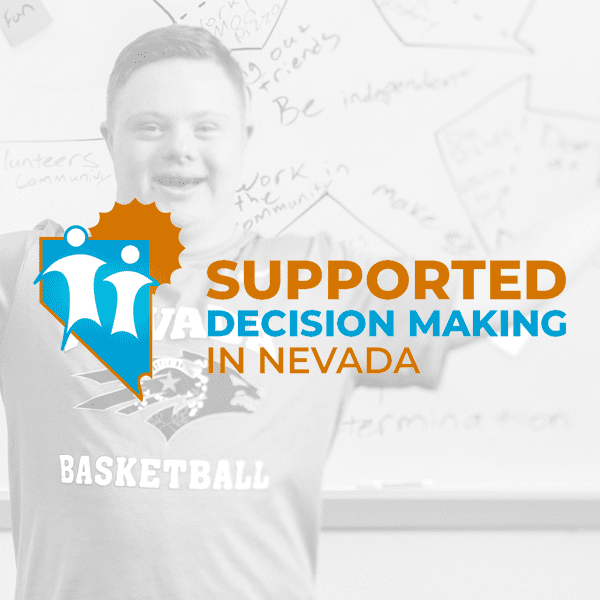
Ace Studios partnered with the organization to create Supported Decision Making in Nevada, developing a new visual identity and accessible informational website designed to make the law easier to understand and its resources easier to find.
The Challenge
Understanding legal rights can be difficult, particularly when the information is presented through complex terminology, lengthy statutes, and unfamiliar processes.
Nevada's Supported Decision-Making Act created an important framework for adults with disabilities to make their own decisions with assistance from people they trust. Unlike more restrictive guardianship arrangements, supported decision-making emphasizes individual choice, autonomy, and self-determination.
But the law's potential depended in part on people knowing it existed and understanding how to use it.
The Self-Determination Law Project needed an educational resource that could explain the legislation, introduce supported decision-making concepts, and connect visitors with relevant tools and information.
The organization was starting from scratch, without an established visual identity or dedicated website.
Accessibility was especially important. Because the initiative was intended to serve people with disabilities, the website needed to incorporate inclusive design principles and meet applicable Web Content Accessibility Guidelines (WCAG).
The challenge was to create a recognizable identity and an approachable digital experience that could communicate complex legal information without creating additional barriers for the people seeking it.
Our Approach
Ace Studios approached the project with a guiding principle: information about personal independence should be accessible to the people it affects.
We began by developing a visual identity that reflected the initiative's educational purpose while prioritizing clarity, legibility, and accessibility.
Color selection was a particularly important consideration. Rather than focusing exclusively on aesthetic preferences, we developed a palette with accessibility and color contrast in mind, ensuring the identity could support a more inclusive digital experience.
From there, we planned the website's information architecture around the questions visitors were most likely to have.
What is supported decision-making? How does it work? Who can provide support? What resources are available to help someone get started?
By organizing content around these practical needs, we created a structure that made the information easier to explore.
Our team also incorporated accessibility considerations throughout the design and development process, emphasizing readable content, clear navigation, and a responsive experience.
The result was a website designed to serve as an educational starting point for individuals with disabilities, families, advocates, and service providers seeking to better understand supported decision-making in Nevada.
What We Created
Ace Studios established Supported Decision Making in Nevada's identity and digital presence through:
Brand Identity Development
We developed a new visual identity for the initiative, creating a recognizable presentation that reflected its educational mission and commitment to personal independence.
Accessible Color Palette and Visual Design
Our team established a color scheme with accessibility in mind, prioritizing legibility and appropriate contrast to support a more inclusive experience for people with different visual needs.
Website Strategy and Information Architecture
We organized the website around key educational topics, providing clear pathways for visitors to learn about supported decision-making, explore available tools, and access additional resources.
Website Design and Development
We designed and developed an informational website that presented Nevada's supported decision-making framework through an approachable, organized digital experience.
Website Accessibility and WCAG Standards
We incorporated accessibility-focused design and development practices aligned with minimum WCAG standards, helping reduce barriers for individuals accessing the site's educational content.
Educational Resource Organization
We structured the website to make important information easier to find, including explanations of supported decision-making, tools, frequently asked questions, and links to supporting resources.
Website Hosting and Technical Support
We provided website hosting to support the launch of the initiative and establish its online presence.

The Result
The Self-Determination Law Project launched Supported Decision Making in Nevada with a new visual identity and dedicated informational website, establishing an online resource for individuals seeking to understand their rights under Nevada's Supported Decision-Making Act.
The website brought together educational information, practical tools, frequently asked questions, and supporting resources in one organized destination.
By incorporating accessibility considerations into both the branding and website development, Ace Studios helped create a digital experience that reflected the initiative's commitment to inclusion and individual autonomy.
The project also gave the Self-Determination Law Project a dedicated platform for its community education and outreach efforts, helping make information about supported decision-making available to people throughout Nevada.
Unlike projects where design primarily serves a commercial purpose, this engagement required us to consider how creative and technical decisions could affect someone's ability to access important information about their own legal rights.
For Ace Studios, the project reinforced an essential principle of inclusive design: accessibility shouldn't be something added at the end of a project. It should help shape the experience from the beginning.
Because empowering people to make their own decisions starts with giving them the information they need to make them.